Architectural Design
January 15, 2024
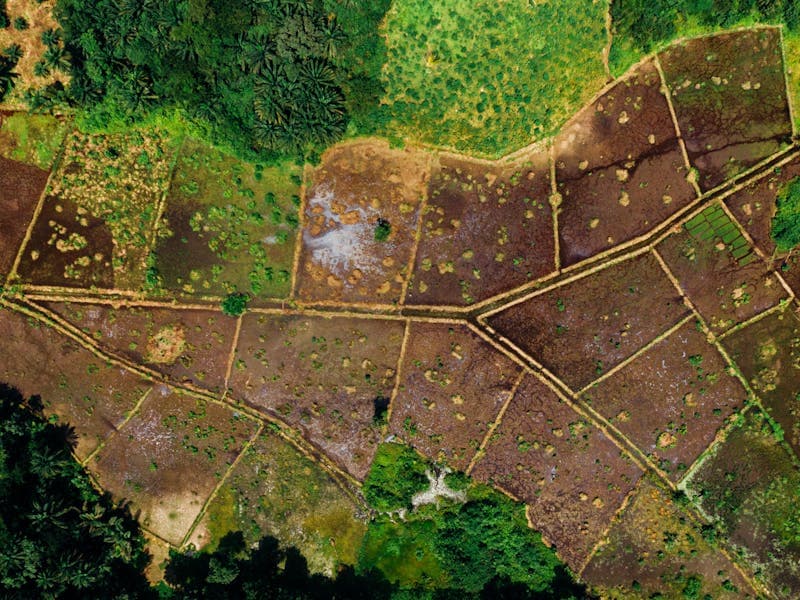
Choosing the right plot is one of the most valuable decisions in a villa project. A parcel that looks attractively priced but has problems with zoning, ground conditions or infrastructure can lead to far higher costs during and after construction.
To determine whether a plot is suitable for villa construction, a zoning certificate must be obtained from the relevant municipality. This document sets out the permitted use (residential, commercial, agricultural, etc.), floor area ratio (TAKS/KAKS), storey limit and setback distances under Law No. 3194. Some plots that appear to be "building land" may in fact be closed to development or subject to very tight restrictions.
Whether the title deed carries a mortgage, lien, annotation or easement right must be verified through the land registry directorate or the e-government portal. Strip expropriation, road widening plans or proximity to forest boundaries are easy to overlook. Commissioning a property lawyer to review the title before purchase eliminates serious risks.
The plot's soil characteristics directly determine future foundation costs and design decisions. A preliminary assessment by a geotechnical specialist before purchase provides initial information on liquefaction risk, bearing capacity and drainage conditions. Sloped terrain allows striking terraced villa designs but may add 10–20% to costs through retaining walls and excavation.
The proximity of electricity, drinking water and sewage connections to the plot affects both construction cost and timeline. Connection costs to remote infrastructure can reach hundreds of thousands of lira. Obtain a connection feasibility assessment from the relevant utility providers — electricity distributor, water authority and gas distributor — before purchasing.
View, solar orientation, prevailing wind direction and neighbouring building heights all affect quality of life. The area's development trajectory and planned infrastructure investment shape the plot's long-term value. At Home Yapı Mühendislik, we provide technical feasibility support to clients at the plot selection stage to ensure the right decision is made with the right information.

Driven by our love for people and the environment and respect for our craft, we have been providing architectural and contracting services since 2010.
Architectural Design