Architectural Design
January 15, 2024
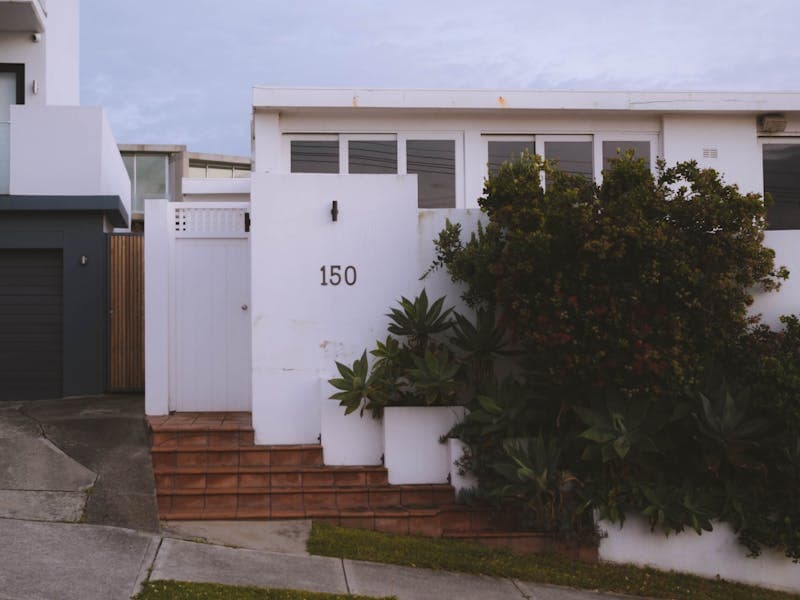
The villa facade establishes the aesthetic identity, creates the first impression and directly determines long-term maintenance costs. Choosing between modern and classic styles is far more than a visual preference.
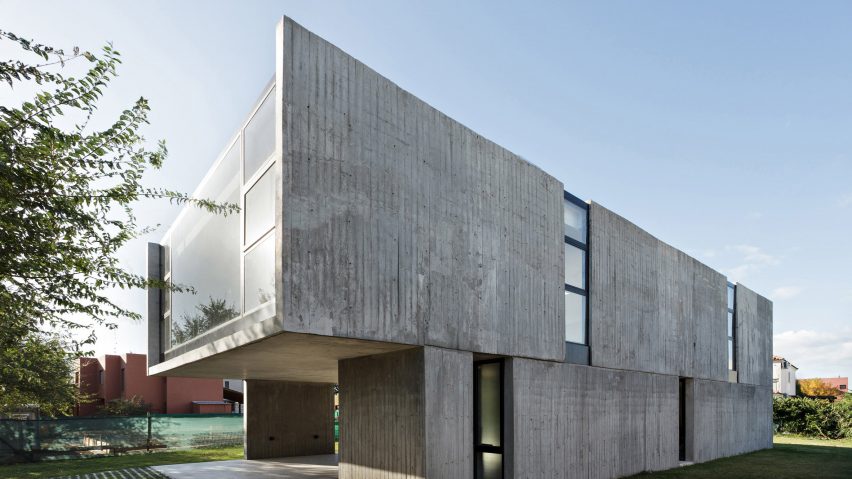
Clean geometry, large glazed surfaces, flat roofs and simple single-material facades define the dominant trend in modern villa architecture. Exposed concrete, composite panel, aluminium profile details and wide window bands are its core components. Maintenance costs are relatively low; repainting or re-cladding is straightforward. The counterpoint: large glazed surfaces increase heat loss, making glass quality and solar shading design critical considerations for energy performance.
Characterised by natural stone cladding, pilasters, cornice details and pitched tile roofs, classical styles carry strong aesthetic value in established residential neighbourhoods and resort settings. Natural stone stands out for its 50+ year service life, low maintenance requirements and appreciation in value over time. High initial cost is the style's main disadvantage.
Today's villa projects most commonly combine two or three materials in a rhythmic composition. Natural stone on the ground floor, white render on upper levels with timber accents; or concrete-look cladding combined with glass — these are typical examples. Limiting the material count to three and paying careful attention to tonal consistency gives the facade a unified character.
In Istanbul's humid climate, timber cladding requires annual painting and preservative treatment; neglected timber inevitably rots and fades. Composite panel and natural stone demand far less maintenance in this climate. Solar shading elements — eaves, brise-soleil and external blinds — must be calculated at the design stage to block summer sun while admitting winter light. At Home Yapı Mühendislik, we evaluate facade design not only for aesthetics but also for energy performance and long-term maintenance cost.

Driven by our love for people and the environment and respect for our craft, we have been providing architectural and contracting services since 2010.
Architectural Design