Architectural Design
January 15, 2024
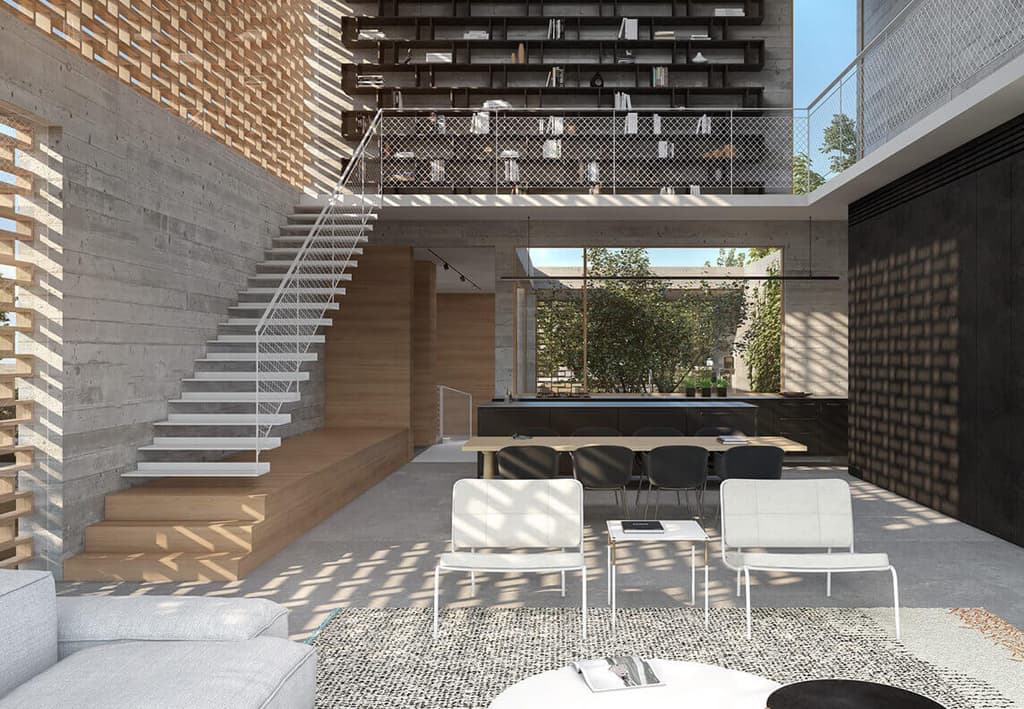
Prefab buildings have been gaining attention for their fast construction times and competitive costs. Reinforced concrete, meanwhile, remains Turkey's most established structural system. Which is more suitable for your project? This comparison guide evaluates the two systems on key criteria.
Prefab's most prominent advantage is speed. Factory-manufactured elements assembled on site can cut the structural shell construction time by 30–50% compared to traditional reinforced concrete. In terms of cost, the structural phase is generally more economical; however, when special detailing and finishing works are added, the gap narrows.
In Turkey, both structural systems must be designed to comply with TBDY 2018. Reinforced concrete shear wall systems are highly effective at absorbing earthquake energy. Modern steel prefab buildings can also achieve high seismic performance when correctly designed; however, assembly quality and connection details are critical.
Reinforced concrete provides natural thermal stability through thermal mass and, when properly built, offers a service life exceeding 50 years. Prefab buildings require periodic inspection and renewal of insulation details, connection points and cladding systems. These maintenance costs must be factored into long-term use planning.
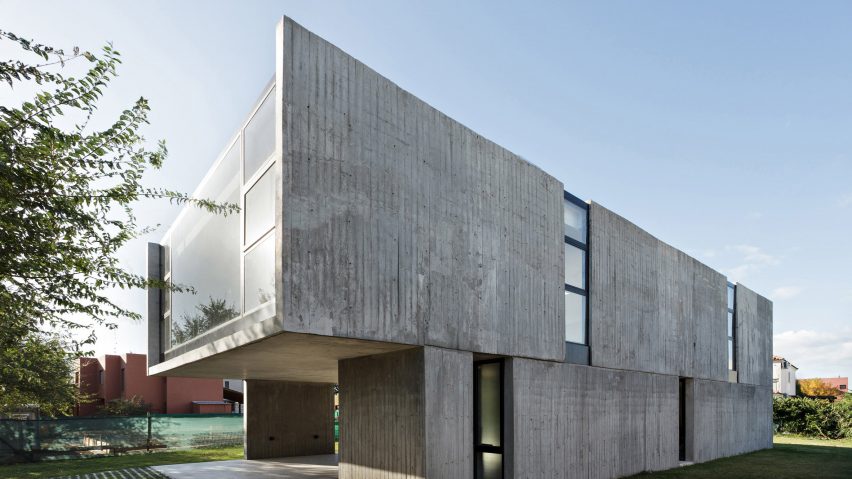
Reinforced concrete is superior in architectural freedom — curves, cantilevers and distinctive geometries are easily achieved. Steel frame prefab systems offer relatively high flexibility, while panel systems are more limited for plan changes and subsequent renovations. At Home Yapı Mühendislik, we evaluate the most appropriate structural system for every project based on intended use, budget and expected service life.

Driven by our love for people and the environment and respect for our craft, we have been providing architectural and contracting services since 2010.
Construction