Architectural Design
January 15, 2024
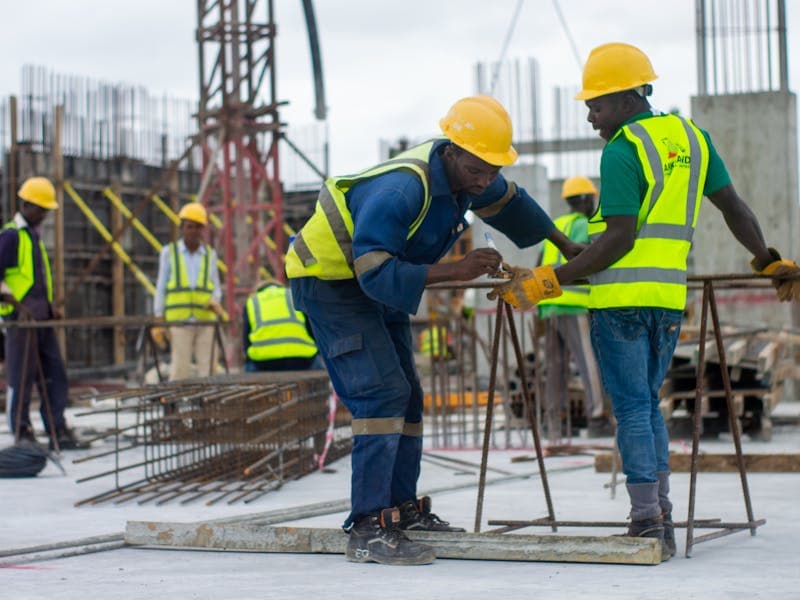
Villa construction is a complex process requiring architecture, engineering and organisation to work in tandem. The right level of supervision and knowledge protects both quality and budget.
Once the building permit is obtained, the site is set up: perimeter security, site office and utility connections are established. The foundation phase is the most critical stage of villa construction. The foundation type selected from the soil survey report (raft, strip or piled foundation) is confirmed; excavation depth and dimensions are checked. Under TBDY 2018, foundation reinforced concrete calculations are independently verified by the building inspection firm.
Columns, shear walls, beams and slabs make up the structural phase. A concrete sample must be taken and pressure-tested in a laboratory at every pour. Rebar diameter, spacing and cover must match the project; these are jointly checked by the project designers and building inspection firm. Roof waterproofing, also applied during this phase and later inaccessible, is another critical application.
Every material delivery should be accompanied by an invoice and delivery note, and verified against project specifications. Concrete grade, steel quality, insulation thickness and similar technical properties must match the contracted values; any deviation should be corrected immediately. Material records in the site diary enhance both cost tracking and evidential strength in future disputes.
Plastering, painting, floor finishes, joinery, kitchen units, bathrooms, electrical and plumbing make up the finishing phase. Frequent site visits from the client during this phase — to approve material colours, textures and placement in person — improves satisfaction. Before handover, a comprehensive snag list must be prepared and closed out. At Home Yapı Mühendislik, we conduct a joint snag inspection with our clients and hand over the keys only after all items are resolved.

Driven by our love for people and the environment and respect for our craft, we have been providing architectural and contracting services since 2010.
Contracting