Architectural Design
January 15, 2024
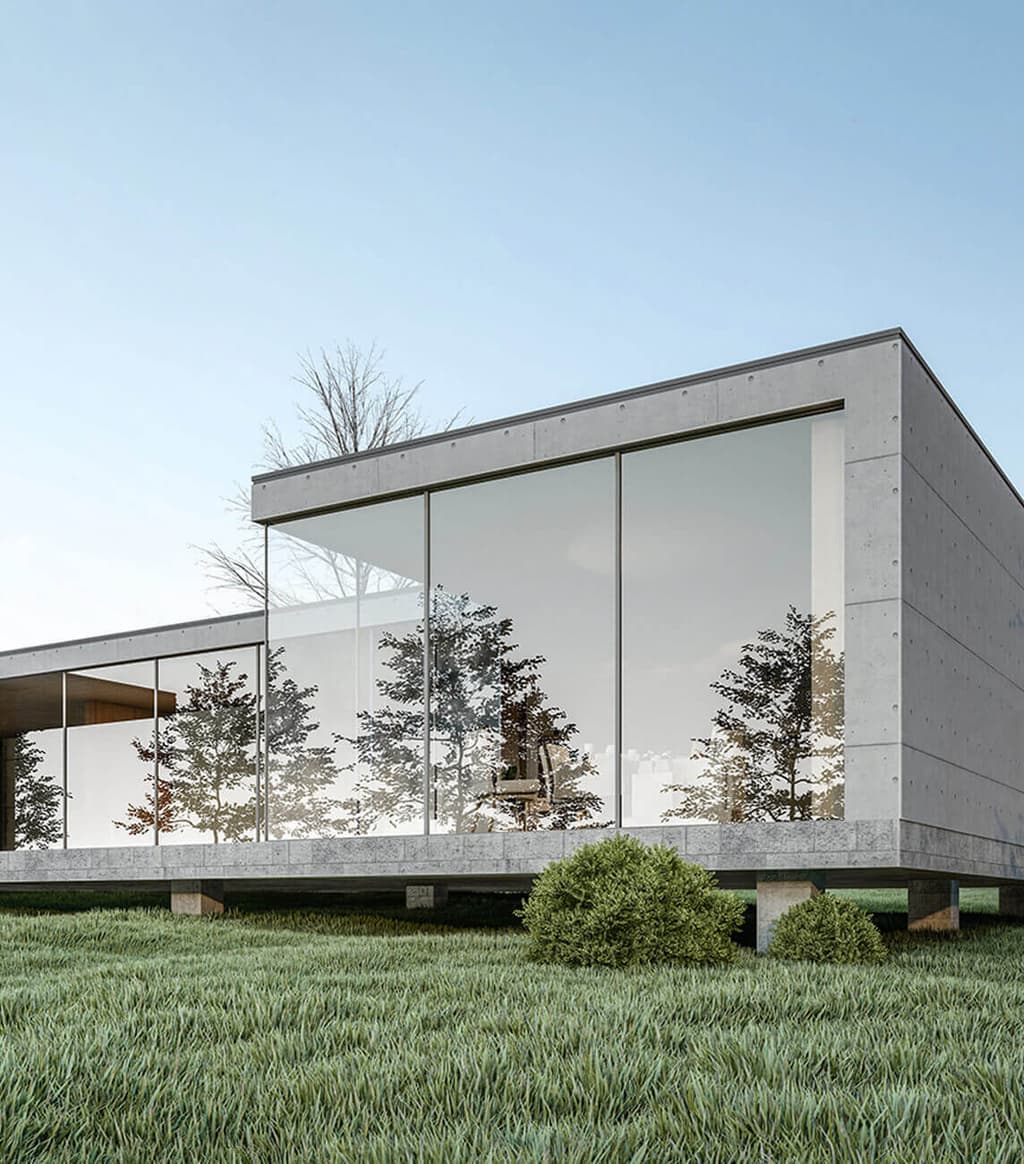
Sustainable architecture is no longer just a preference — it has become a necessity. The pressures of climate change and rising energy costs are forcing the construction sector to undergo a fundamental transformation. At Home Yapı Mühendislik, minimizing environmental impact and using resources efficiently are core priorities in every project we undertake.
The energy a building consumes throughout its lifetime far exceeds the energy spent during its construction. This is why careful planning of building envelope insulation, window systems, ventilation and heating-cooling choices is decisive from both an environmental and long-term cost perspective. Passive design strategies — solar gain, natural ventilation and maximizing daylight — can dramatically reduce operational energy demand.
Materials sourced locally eliminate the need for long-distance transportation, significantly reducing the carbon footprint. Moreover, materials suited to a region's climate and building culture require less maintenance and repair over time. Stone, timber and recycled concrete aggregate are among the standout options in this regard.
Photovoltaic solar panels, rainwater harvesting systems and heat pump technology are rapidly becoming standard building components rather than luxury add-ons. Smart building management systems automatically optimize lighting, heating and security, delivering both comfort and savings. Integrating these systems from the design phase is far more efficient than retrofitting them later. A building's energy performance is officially documented through an Energy Performance Certificate, regulated under Turkey's Building Energy Performance (BEP) system.
At Home Yapı Mühendislik, we treat sustainability not as an afterthought but as a fundamental design parameter. Our goal in every project is to deliver solutions that add long-term value for our clients while respecting the environment.

Driven by our love for people and the environment and respect for our craft, we have been providing architectural and contracting services since 2010.
Architectural Design